
Electric Torque Wrench in India: The Smarter Way to Achieve Precision, Speed & Compliance in Industrial Bolting
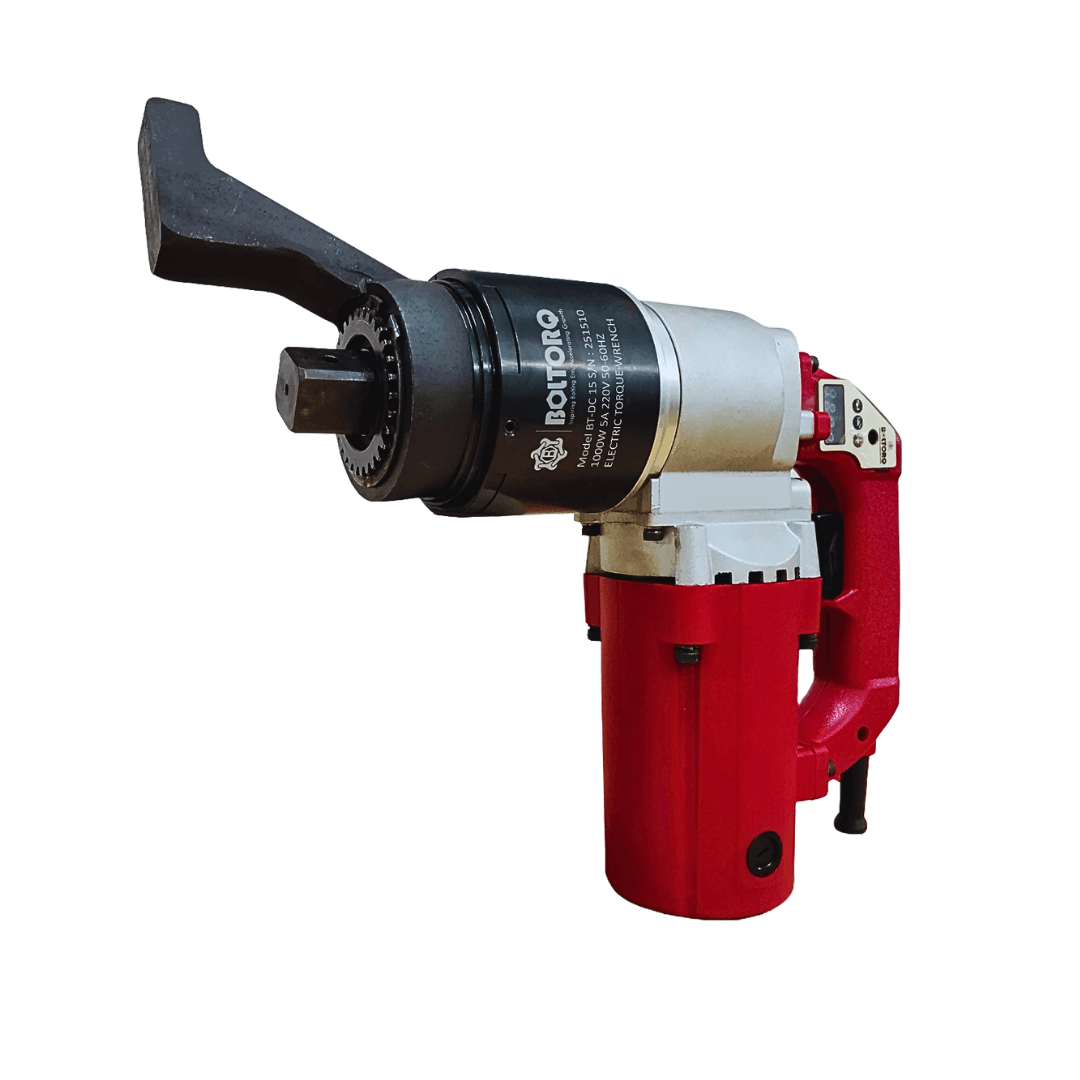
India’s infrastructure boom is real.
From wind farms across Tamil Nadu to refinery expansions in Gujarat and metro rail projects in Mumbai, industrial growth is accelerating. But behind every bridge, turbine, refinery flange, and steel structure lies one critical factor that often gets overlooked:
Bolt tightening accuracy.
And this is exactly where an Electric Torque Wrench is changing the game.
If you are a project manager, maintenance head, or EPC contractor in India, this guide will help you understand why electric torque wrenches are becoming the preferred solution for precision bolting.
Why Industrial Bolting Is a Serious Challenge in India
Industrial environments in India are demanding:
- Extreme temperatures
- Remote project locations
- High-volume bolting
- Strict audit and compliance norms
Traditional tools like impact wrenches or hydraulic torque systems often create more problems than they solve.
Let’s break down the real challenges.
The 4 Major Pain Points in Industrial Bolting
1. Inconsistent Torque = Safety & Audit Risks
Over-tightening can damage threads and reduce bolt life.
Under-tightening can cause joint failure, leakages, or structural instability.
With stricter quality norms in infrastructure and energy projects, especially under agencies like National Highways Authority of India, torque accuracy is no longer optional.
A ±3% accuracy difference can decide whether a joint passes inspection or fails compliance.
2. Hydraulic Systems Slow Down Projects
Hydraulic torque wrenches operate in cycles:
- Tighten
- Reset
- Tighten again
They require:
- Pump units
- Hoses
- Extra manpower
- Longer setup time
On large projects like bridge erection or PEB structures, this increases downtime and delays project completion.
3. Operator Fatigue Reduces Productivity
Impact-based tools generate:
- Vibration
- Noise
- Jerky movement
In long shifts, this leads to:
- Fatigue
- Lower efficiency
- Higher error rates
For wind turbine projects in Rajasthan and Karnataka, where bolting happens at height, tool stability becomes even more critical.
4. Increasing Compliance & Documentation Pressure
Modern industrial contracts now demand:
- Calibration certificates
- Controlled torque procedures
- Repeatable accuracy
Manual torque systems cannot guarantee consistent digital precision.
What Is an Electric Torque Wrench?
An Electric Torque Wrench is a digitally controlled bolting tool that applies precise torque using a motor-driven mechanism. Unlike impact or hydraulic systems, it delivers:
- Continuous rotation
- Controlled torque application
- Automatic shut-off at preset values
This makes it ideal for high-volume industrial applications across India.
Check Our Technical Specifications : Electric Torque Wrench
Why Electric Torque Wrenches Are Gaining Popularity in India
1. Continuous Rotation = Faster Tightening
Electric torque wrenches provide constant torque output without cycling. This significantly reduces tightening time in:
- Steel structure erection
- Railway fastening
- Heavy machinery assembly
- Power plant maintenance
Time saved per bolt translates into massive productivity gains on large projects.
2. Digital Precision with Auto-Stop
Modern electric torque tools allow operators to preset torque values. Once the target torque is reached, the tool stops automatically.
Benefits include:
- No over-tightening
- No under-tightening
- Reduced dependency on operator skill
- Improved inspection success rate
3. Non-Impact, Smooth Operation
Unlike impact tools, electric torque wrenches operate without hammering.
That means:
- Lower vibration
- Reduced noise
- Less fatigue
- Better control
This is especially useful in urban infrastructure projects in cities like Pune and Chennai where controlled operation is preferred.
4. Plug-and-Play Simplicity
Most industrial electric torque wrenches in India operate on 220V AC power.
No hydraulic pumps.
No oil leaks.
No complex setup.
Just connect and operate.
Electric vs Hydraulic Torque Wrench: Which Is Better?
| Parameter | Electric Torque Wrench | Hydraulic Torque Wrench |
|---|---|---|
| Speed | High (continuous) | Moderate (cyclical) |
| Setup | Simple | Complex |
| Operator Fatigue | Low | Moderate |
| Noise Level | Low | Medium |
| Maintenance | Minimal | Pump & hose maintenance |
| Ideal Use | High-volume industrial bolting | Extremely high torque niche use |
For most infrastructure and industrial projects in India, electric torque tools provide better ROI and efficiency.
Industries Using Electric Torque Wrenches in India
Electric torque tools are widely used in:
- Bridge construction
- Wind turbine installation
- Railway projects
- Oil & gas plants
- Thermal & solar power plants
- Mining equipment assembly
- Pre-Engineered Building (PEB) projects
As India continues expanding its infrastructure footprint, demand for reliable bolting solutions is only increasing.
How to Choose the Right Electric Torque Wrench in India
When selecting an electric torque wrench, consider:
✔ Torque Range
Ensure the tool covers your bolt specification requirements (commonly 1500 Nm – 3000 Nm for heavy infrastructure).
✔ Accuracy
Look for ±3% or better torque accuracy.
✔ Drive Size
Match drive size with your bolt dimensions.
✔ Calibration Support
Always choose tools supplied with calibration certification.
✔ Service & Support
Pan-India availability and training support matter in large projects.
Check Out Our Heavy Duty Electric Torque Wrench
Frequently Asked Questions (FAQs)
What is the advantage of a digital electric torque wrench?
It provides precise torque control, auto shut-off, reduced operator fatigue, and faster operation compared to hydraulic or impact tools.
Is an electric torque wrench suitable for wind turbine installation?
Yes. Its continuous rotation and controlled torque make it ideal for high-volume bolting in wind energy projects.
Can electric torque wrenches replace hydraulic tools?
For most medium-to-high torque industrial applications, yes. Hydraulic tools are mainly required for ultra-high torque niche scenarios.
What voltage do electric torque wrenches operate on in India?
Most models operate on standard 220V AC supply.
Final Thoughts: The Future of Industrial Bolting in India
India’s growth story depends on infrastructure reliability.
And infrastructure reliability depends on joint integrity.
Electric torque wrenches bring:
- Speed
- Precision
- Safety
- Compliance
- Lower operational fatigue
For project managers and maintenance heads looking to reduce rework, improve audit results, and complete projects faster, upgrading to electric torque technology is a strategic decision.
As infrastructure expands across states like Maharashtra and Uttar Pradesh, precision bolting will remain a backbone of structural integrity.
The question is no longer whether to upgrade.
The real question is — how soon can you implement smarter bolting on your projects?

0 Comments