
Why Hydraulic Bolt Tensioners are the New Industrial Standard
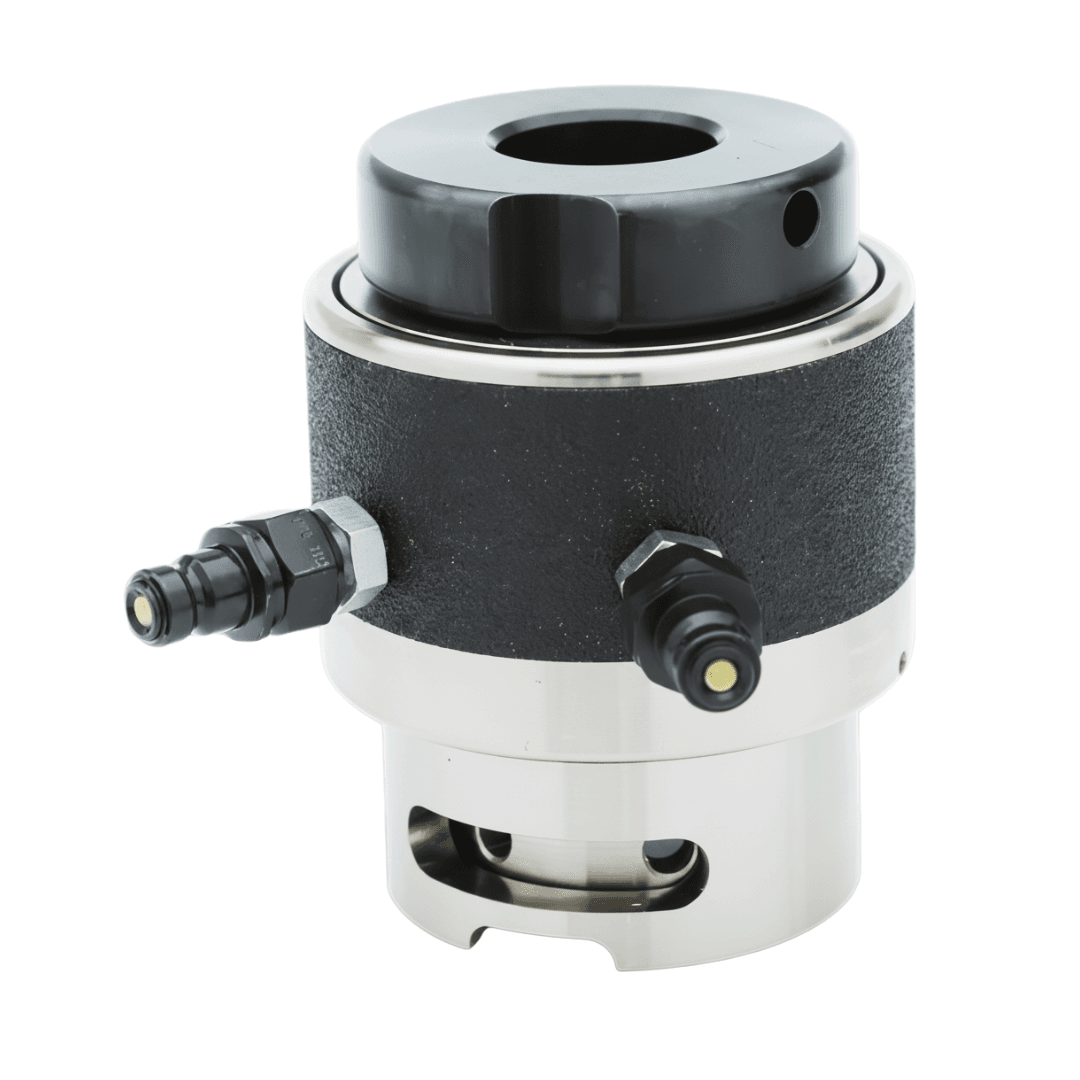
In heavy industries—from the offshore oil rigs of the Gulf to the massive refineries in Jamnagar—the integrity of a bolted joint is a non-negotiable safety mandate. While traditional torque wrenches have been the workhorse of the industry for decades, the 2026 standard for high-pressure systems is moving toward Hydraulic Bolt Tensioning.
But why the shift? The answer lies in the physics of friction.
Torque vs. Tension: Understanding the Difference
In standard bolt torquing, a wrench turns a nut to create a clamp load. However, up to 90% of that force is often lost to friction between the threads and the nut face. This makes the actual tension in the bolt indirect and difficult to measure accurately.
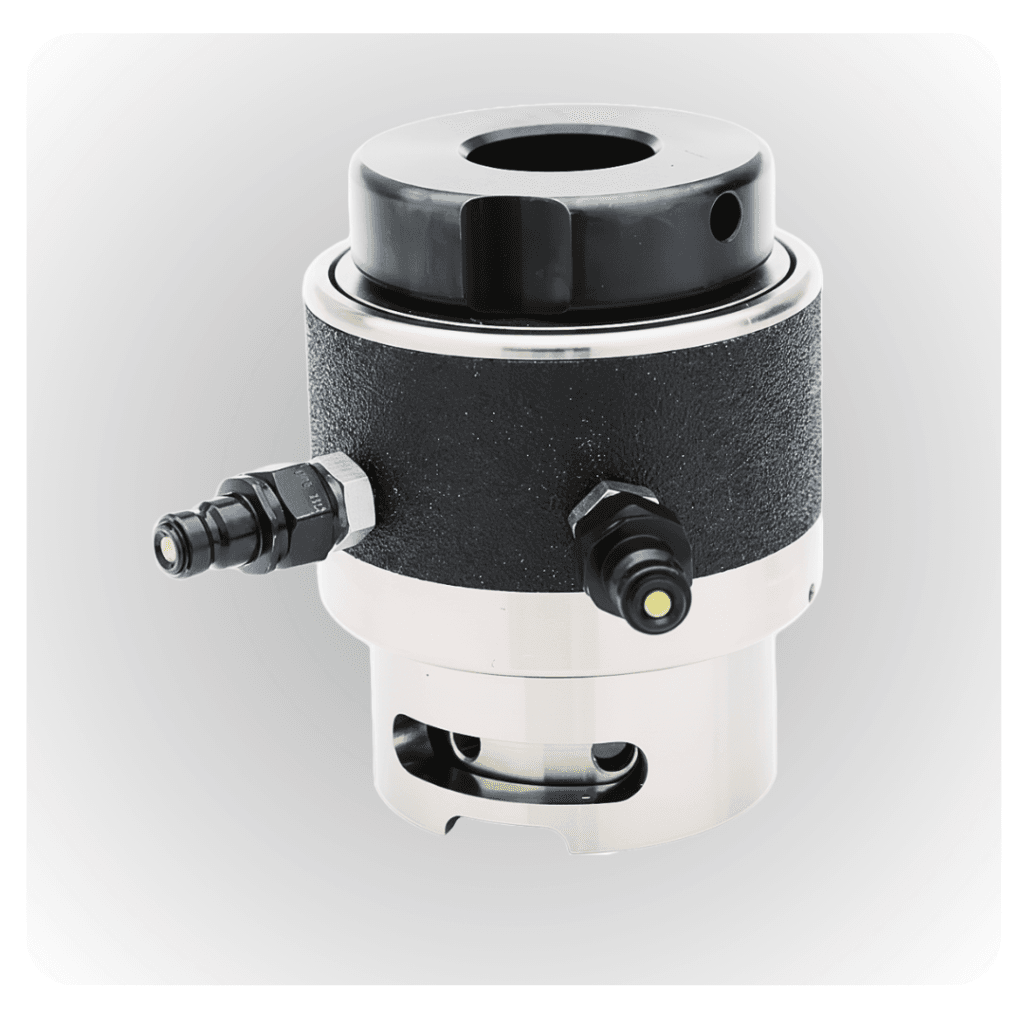
Hydraulic Bolt Tensioning changes the game. Instead of turning the nut to stretch the bolt, a tensioner pulls the bolt directly (axial loading). Once the bolt is stretched to a calculated value, the nut is hand-tightened against the flange, and the hydraulic pressure is released.
Key Advantages of Tensioning:
- Zero Torsional Stress: Because you aren’t turning the nut under load, the bolt is never “twisted,” preventing thread damage and fatigue.
- Simultaneous Loading: You can connect multiple tensioners to a single pump to tighten an entire flange simultaneously, ensuring 100% uniform gasket compression.
- Unmatched Accuracy: By bypassing friction, tensioners achieve a preload accuracy within ±5%, compared to the ±20% typically seen with torque wrenches.
Check out 👉Bolt Torquing Services
When Should You Use a Bolt Tensioner?
Not every bolt needs a tensioner, but for “Critical Path” joints, they are essential. Boltorq’s BBT Series is specifically engineered for:
- High-Pressure Vessels: Where a minor leak can lead to catastrophic failure.
- Wind Turbine Foundations: Where vibration-induced loosening is a constant threat.
- Pipeline Flanges: Especially in subsea or hazardous environments where speed and safety are paramount.
- Heat Exchangers: Where thermal expansion requires perfectly calculated tension.
Technical Spotlight: The Boltorq BBT Series
At Boltorq Infracon, we don’t just build tools; we build precision. Our tensioners are designed for versatility and rugged field use.
| Feature | Specification |
| Max Working Pressure | 1500 – 1800 Bar |
| Accuracy | ±3% to ±5% |
| Stroke Length | 10mm to 15mm |
| Compatibility | ANSI, ASME, API, ISO, and DIN Flanges |
| Materials | High-Grade Alloy Steel & Lightweight Aluminum |
Safety First: The “Cold Stretching” Advantage
Traditional heating or hammering methods to loosen seized bolts are dangerous and can alter the metallurgy of the fastener. Hydraulic tensioning is a “Cold Stretching” process. It is spark-free and creates no Heat Affected Zone (HAZ), making it the safest choice for explosive or high-heat environments.
Pro Tip: Always ensure your studs are properly lubricated and have sufficient “thread protrusion” (at least 1x bolt diameter above the nut) to allow the tensioner to grip effectively.
Conclusion: Investing in Joint Integrity
A joint that is “tight enough” is a liability. A joint that is tensioned is an asset. By transitioning to controlled hydraulic tensioning, companies reduce maintenance downtime, eliminate leak-related repairs, and, most importantly, protect their workforce.
Ready to modernize your bolting process?
Boltorq Infracon Pvt. Ltd. provides end-to-end support—from selecting the right BBT series model to providing on-site technical consulting and equipment rental.
🔗 Browse our Full Range: Boltorq Hydraulic Bolt Tensioners
📩 Request a Quote: info@boltorq.com
📞 Instant Support: +91-9892703895


0 Comments