
Why Torque Wrench Calibrators Aren’t Just “Optional” Accessories
We’ve all been there—trusting a tool because it “clicked” or the digital screen flashed green. But in the world of high-stakes bolting, a click doesn’t always mean you’ve hit the mark. It just means the wrench thinks it did.
In industries like wind energy, oil and gas, and heavy construction, “close enough” is a recipe for disaster. This is why torque wrench calibrators have moved from the “nice-to-have” list to being absolutely mandatory.
1. The Reality of “Calibration Drift”
Think of your torque wrench like a guitar string. Even if you don’t play it, it eventually goes out of tune due to temperature, humidity, or just time. In technical terms, this is calibration drift.
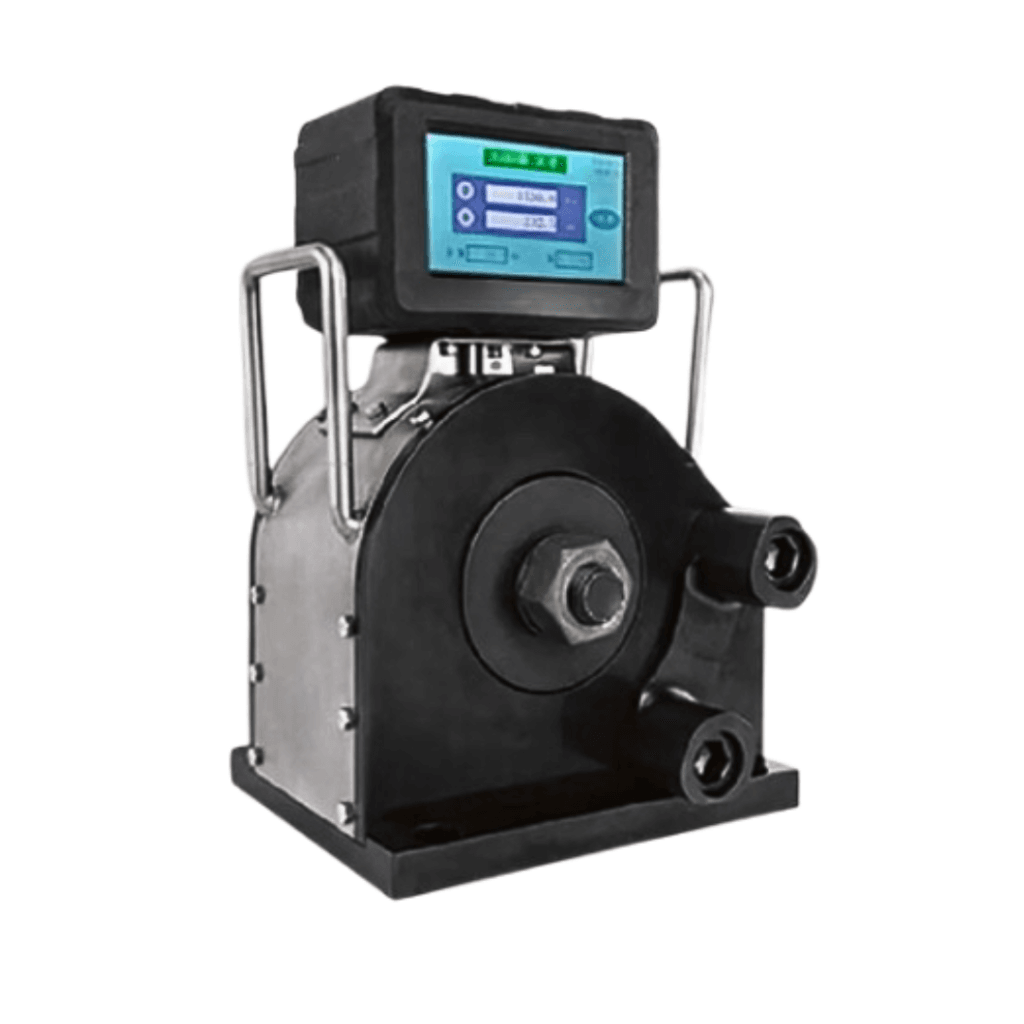
Every time you drop a tool, use it in freezing rain, or store it without winding the tension back to zero, the internal spring or sensor loses its edge. A calibrator acts as your “tuning fork,” ensuring that 500 Nm on the screen actually equals 500 Nm on the bolt.
2. ISO 6789 & Legal Accountability
If a flange leaks or a structural bolt snaps, the first thing an investigator looks at is the calibration log.
- Tip: Under international standards like ISO 6789, torque tools must be calibrated every 12 months or every 5,000 cycles.
- The Risk: Without a documented check from a calibrator, you aren’t just risking a mechanical failure; you’re taking on massive legal and insurance liabilities.
3. Fighting the “Hidden Costs” of Inaccuracy
Using an uncalibrated tool is like driving with a broken speedometer. You might get lucky for a while, but eventually:
- Under-torquing leads to joint relaxation, vibration loosening, and leaks.
- Over-torquing stretches bolts beyond their yield point, leading to catastrophic “snap” failures.
Both scenarios end the same way: expensive rework, unplanned downtime, and potentially, a damaged reputation.
Read Also: The Science of Accuracy: Why Calibration is Non-Negotiable
How to Stay Compliant (and Safe)
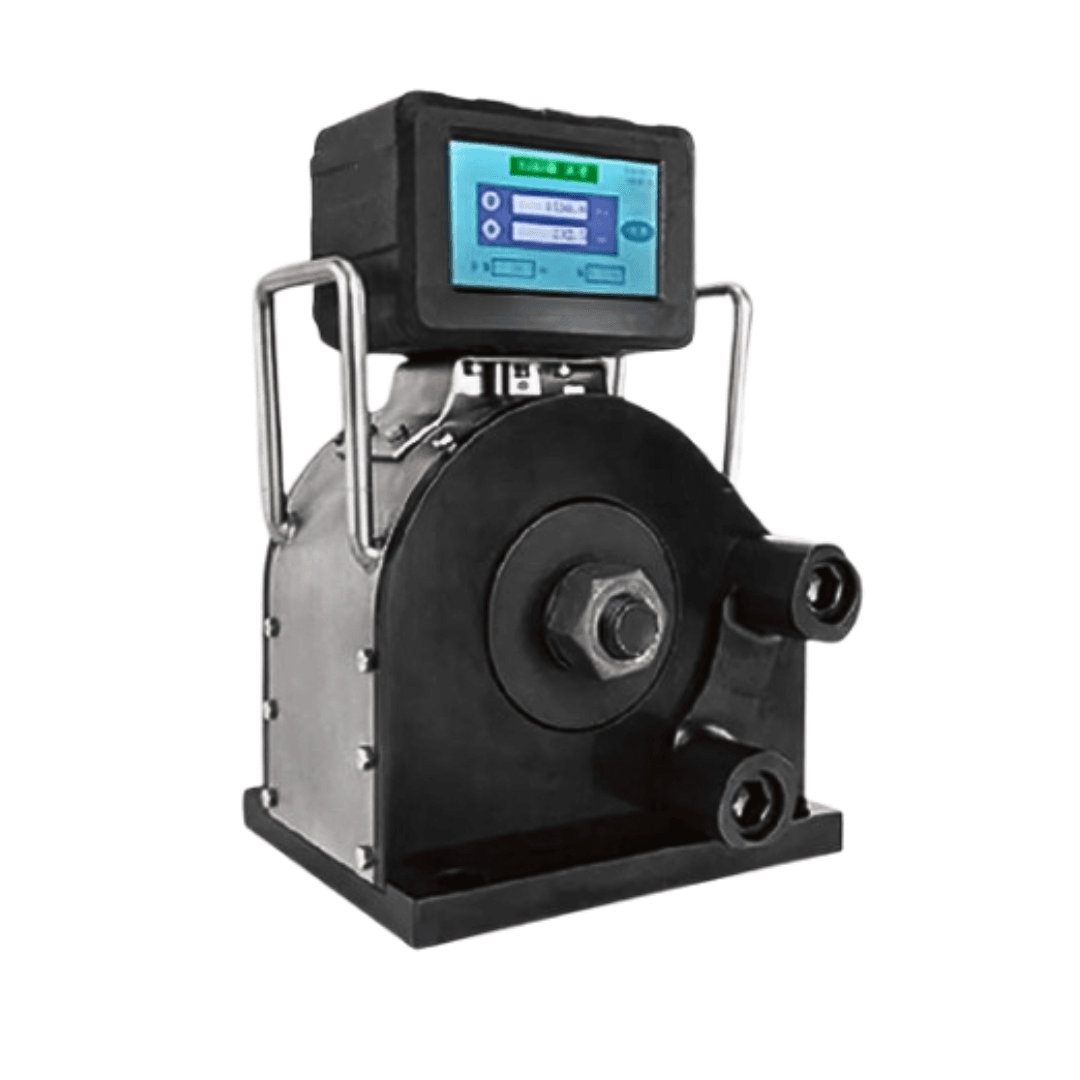
You don’t necessarily need to send your tools away every time you want a pulse check. Many modern sites now keep an on-site torque tester or calibrator. This allows for:
- Daily Pre-Shift Checks: A 30-second test to ensure the tool is healthy before the work begins.
- Immediate Verification: Did the wrench just take a hard knock? Test it instantly instead of guessing.
The Bottom Line
A torque wrench calibrator isn’t just a piece of testing equipment; it’s your quality insurance policy. It’s the difference between knowing a job is done right and just hoping it is.


0 Comments